
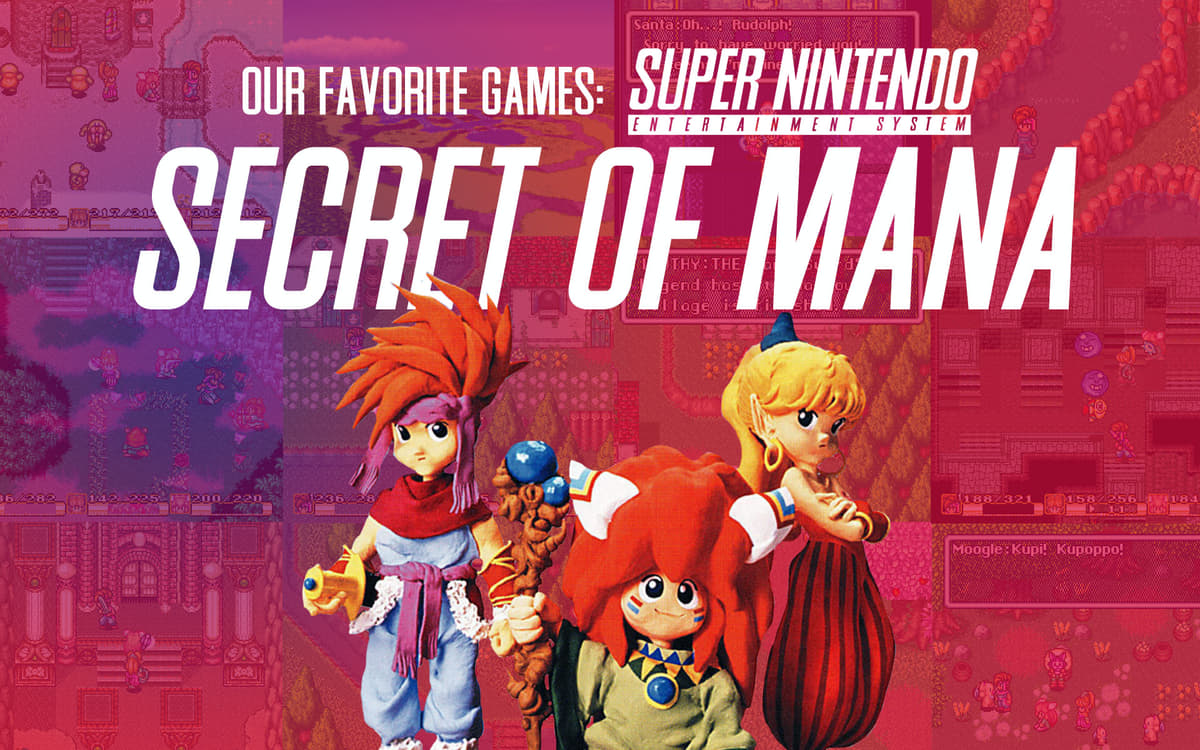
When Secret of Mana hit store shelves in 1993, it did more than simply join Square’s pantheon RPG library—it created the very definition of an action RPG and pushed the Super Nintendo to the max!
In a world where turn-based combat was king, Secret of Mana dared to break through the norms and offered real-time battles that made encounters feel immediate and important.
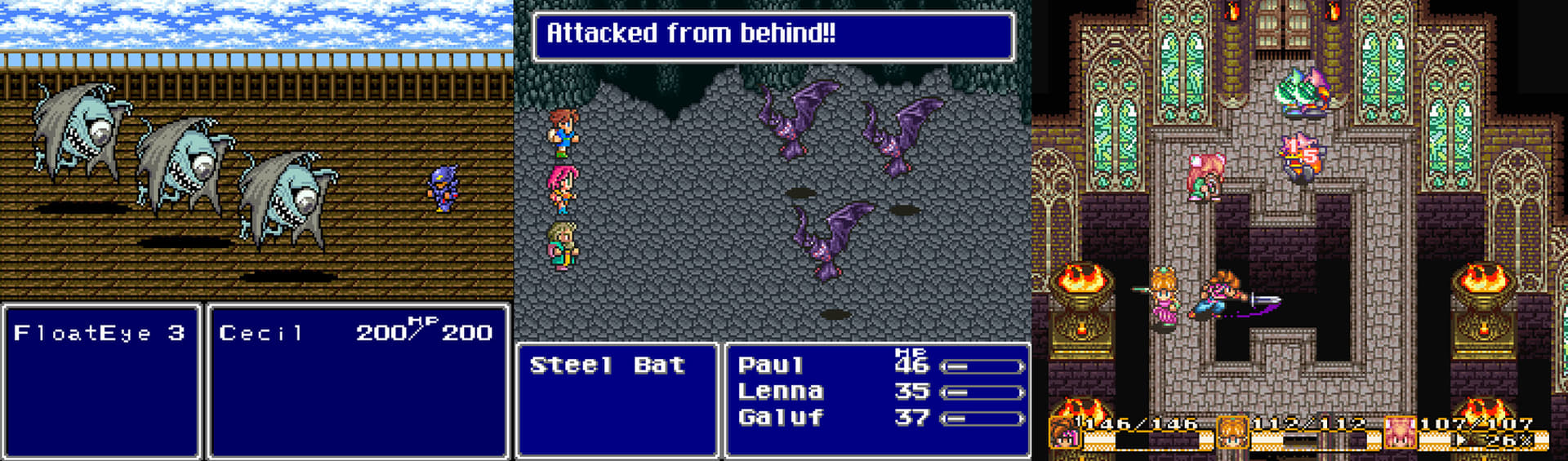
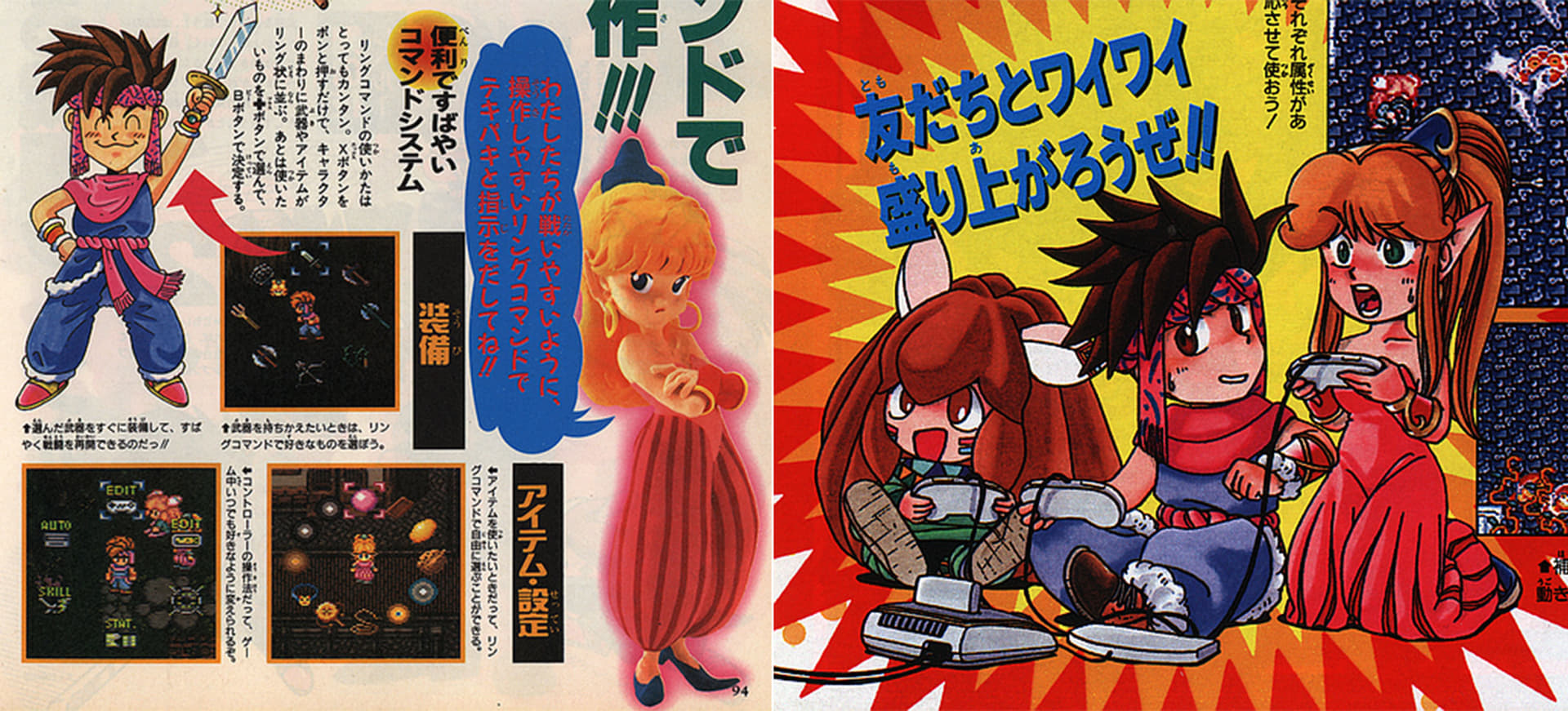
For players used to the methodical pacing of turn-based combat, Secret of Mana was a revolution. It also stood out as one of the few RPGs of its time to offer seamless multiplayer, allowing up to three players to control different characters as they progressed through the game. This addition introduced a new level of teamwork and strategy, making the experience both groundbreaking and fun.
A Game Born from Ambition and Constraint
Understanding the foundation that built Secret of Mana requires looking at the ambitious roots of its development. The game was initially designed as a flagship title for the ill-fated Nintendo PlayStation CD project; an unprecedented collaboration between Nintendo and Sony that aimed to bring CD-ROM technology to Nintendo’s gaming system. This of course is also the project that marked the beginning of Sony’s entry into the video game industry.
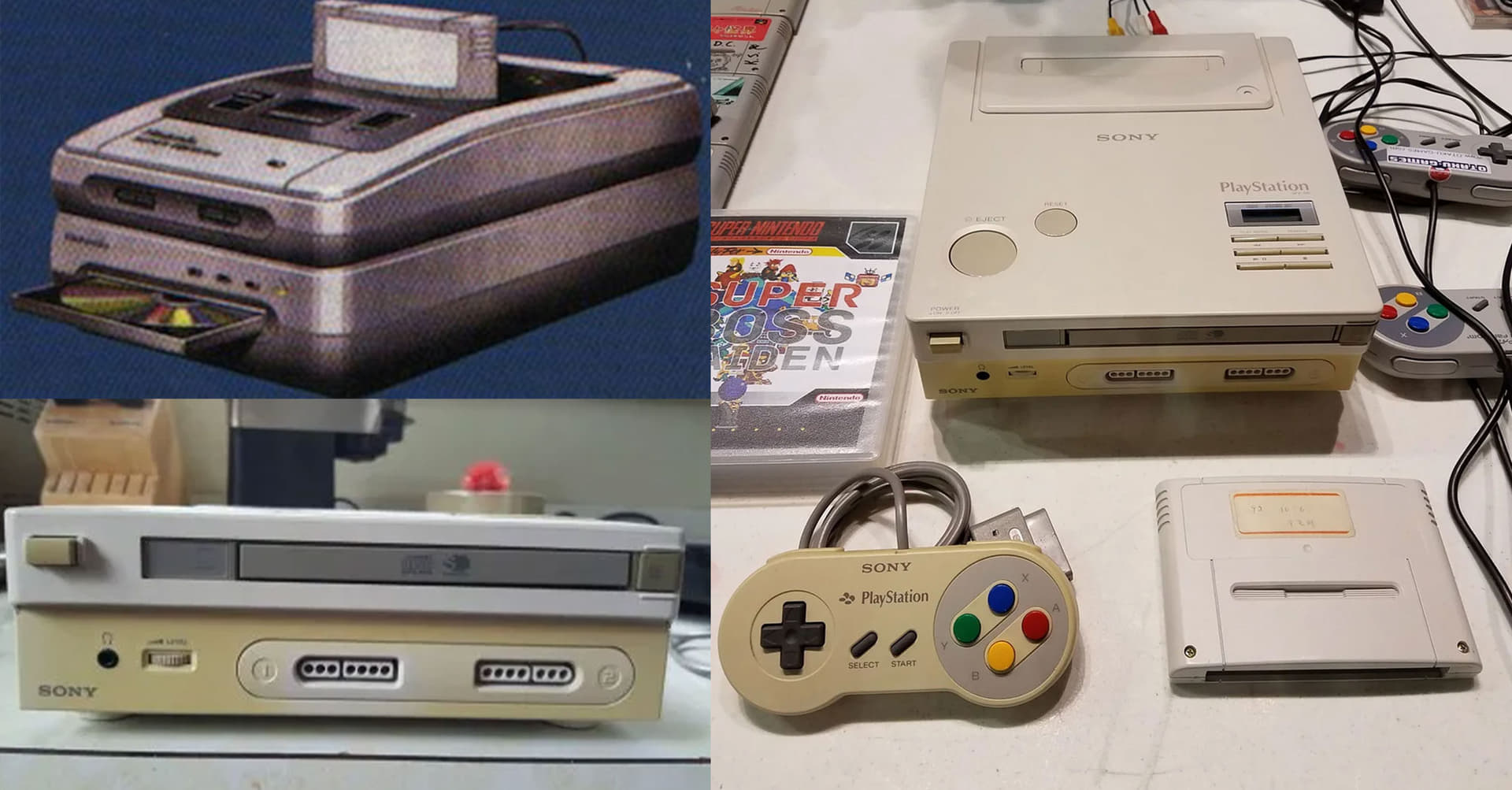
Had it succeeded, this platform would have allowed Squaresoft to build an RPG with more content, more intricate storytelling, and voice acting, leaving the development team unhampered by the constraints of cartridge memory. When the partnership ended up falling apart, Square faced the daunting task of having to adapt the project to fit the SNES's limited cartridge space to keep it alive. What ultimately emerged was a game that pushed the console’s capabilities to their absolute limit!
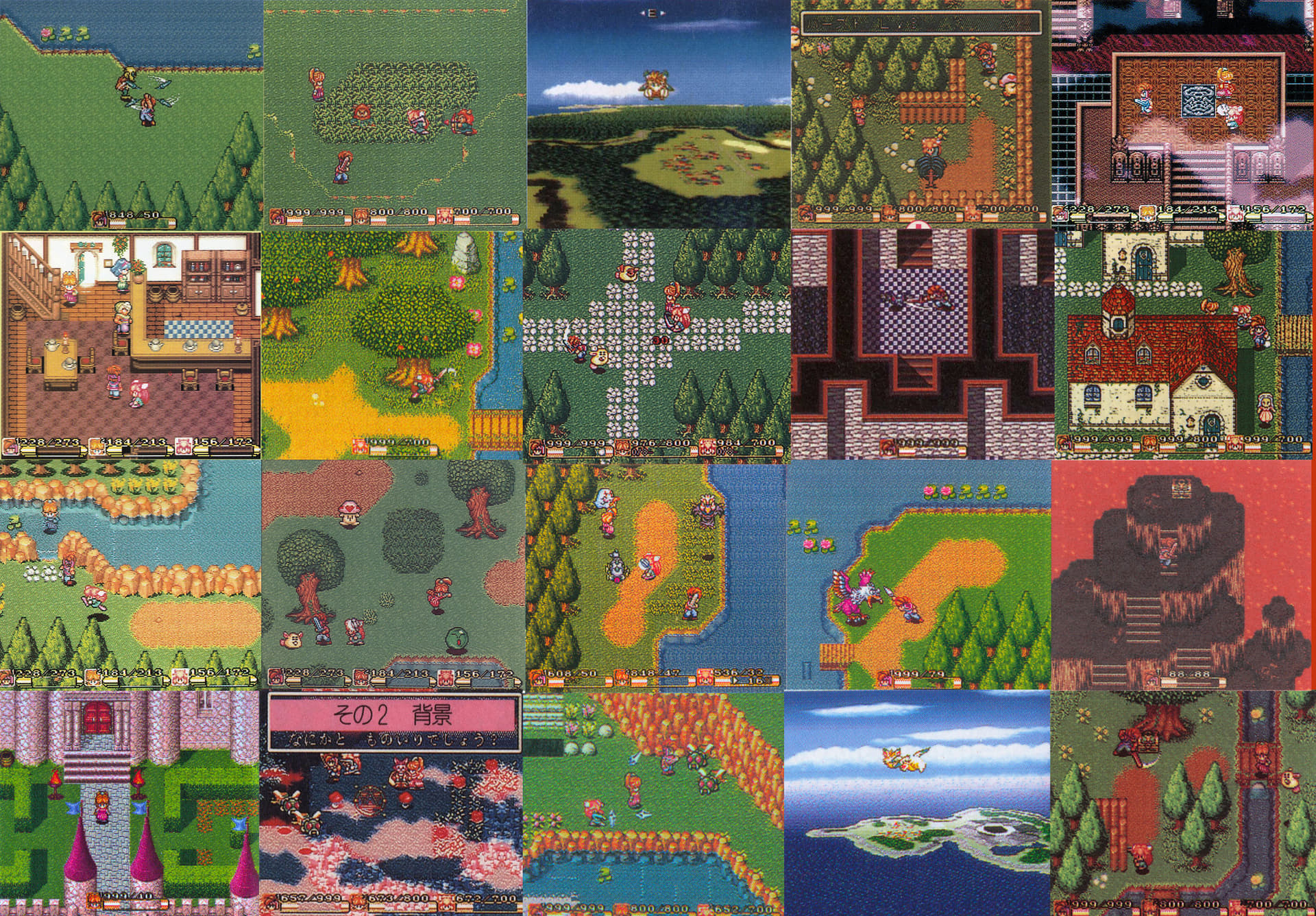
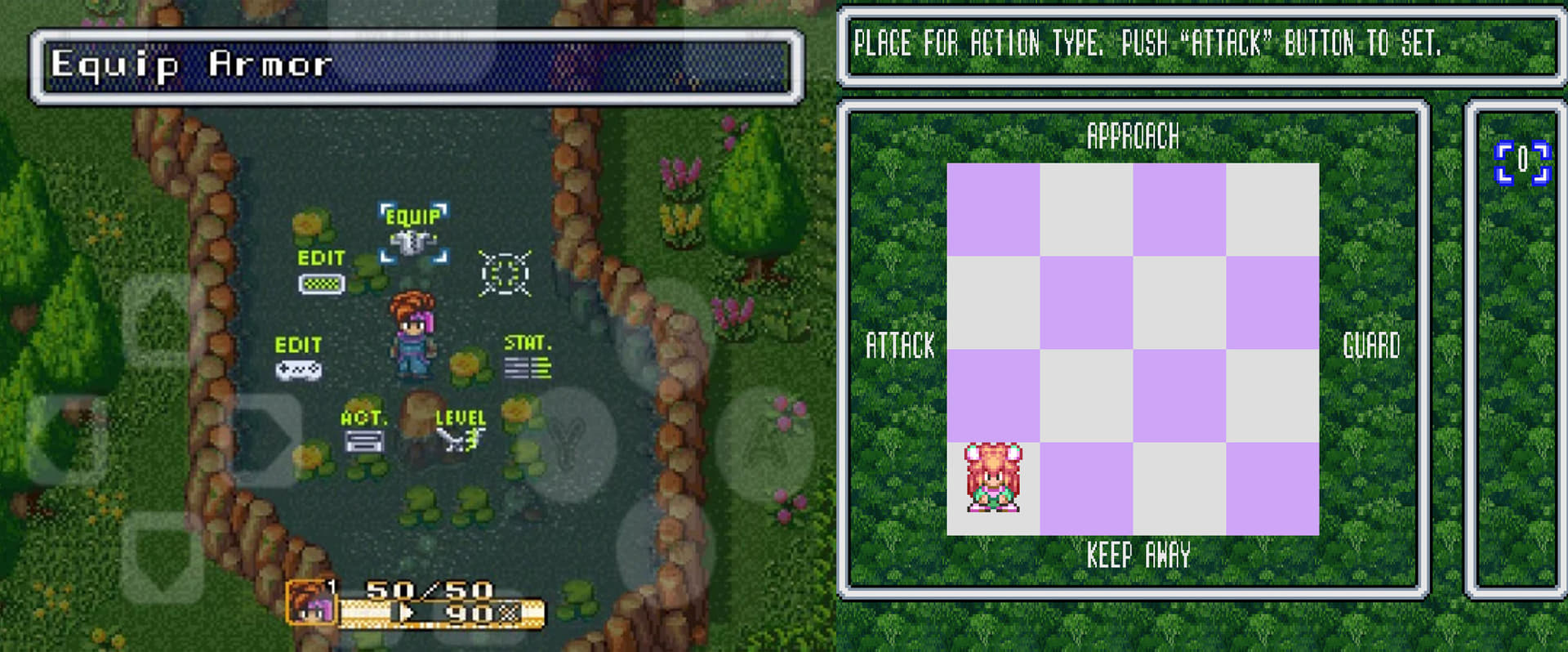
Despite these constraints, Secret of Mana presented an expansive world filled with vivid landscapes, creative and interesting enemy types, and an innovative Ring Command menu system that streamlined everything from combat to purchases in shops. The other insanely innovative and creative gameplay innovation came from the seamlessness of switching between characters and how the game would control the other two based on your grid preferences.
A Soundtrack for the Ages
Hiroki Kikuta’s score remains one of the most celebrated aspects of Secret of Mana. Rather than composing within the conventional boundaries of the 16-bit sound palette, Kikuta crafted his own instrument samples and compressed them to fit the SNES's capabilities. This method allowed his soundtrack to create a unique sonic language for the game, perfectly capturing the world’s nature-focused theme.
From the fantastically ethereal sounds of “Into the Thick of It” to the echoing chimes and marching drums of “The Dark Star,” as well as the chaotic and energetic boss theme “Danger,” Kikuta’s compositions capture a range of emotional values that, in turn, define this magical world.
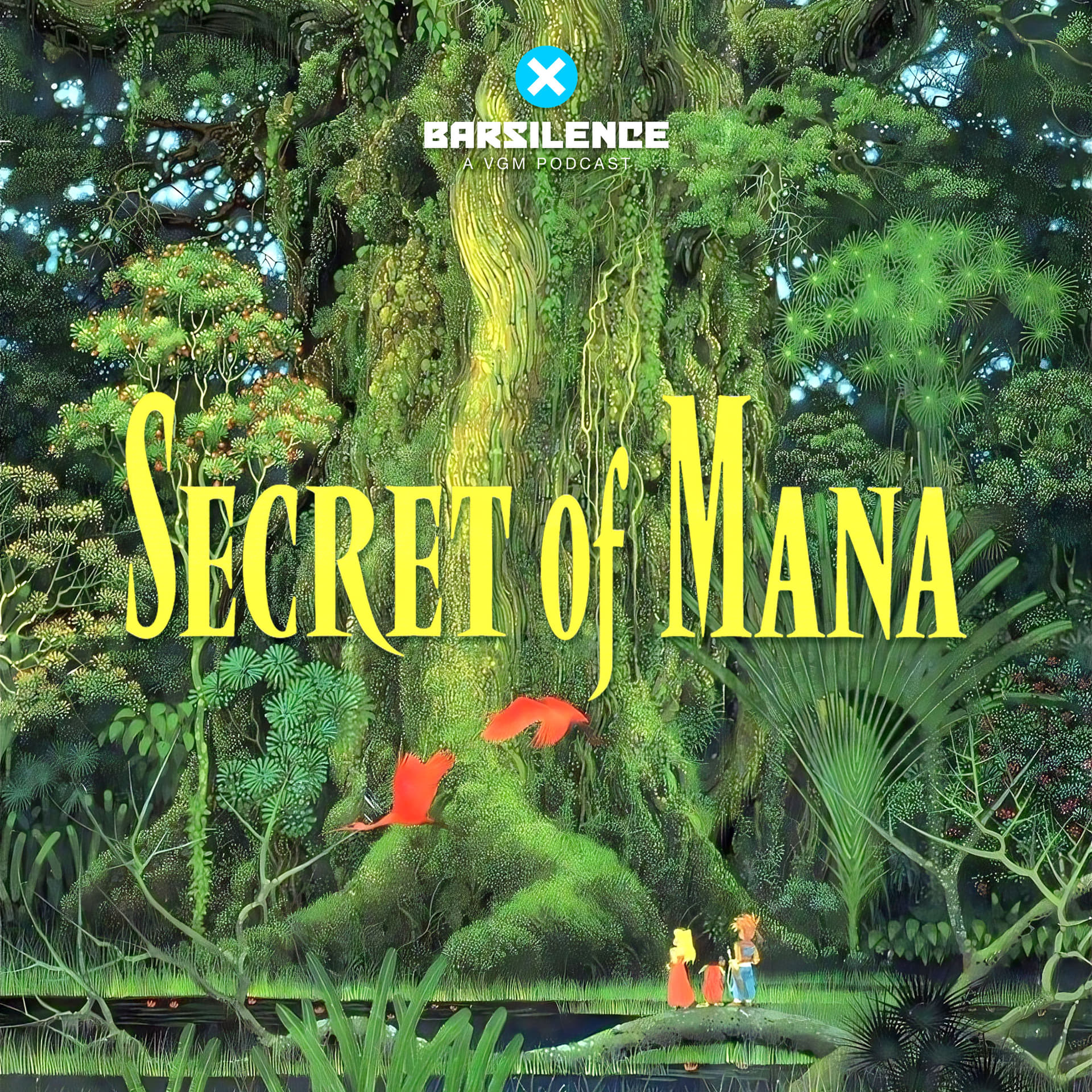
I covered the soundtrack, and more about the game, in my Secret of Mana episode of barSILENCE. Check it out if you want listen to one of the best soundtracks the Super Nintendo has to offer!
The Legacy and Lasting Impact
Secret of Mana, in retrospect, provided gamers with the rare and groundbreaking opportunity to experience an RPG cooperatively. Brothers, sisters, cousins, neighbors, friends. Everyone had a chance to experience this world together. This aspect of the game was welllll ahead of its time and remains a feature that has been seldom replicated since.
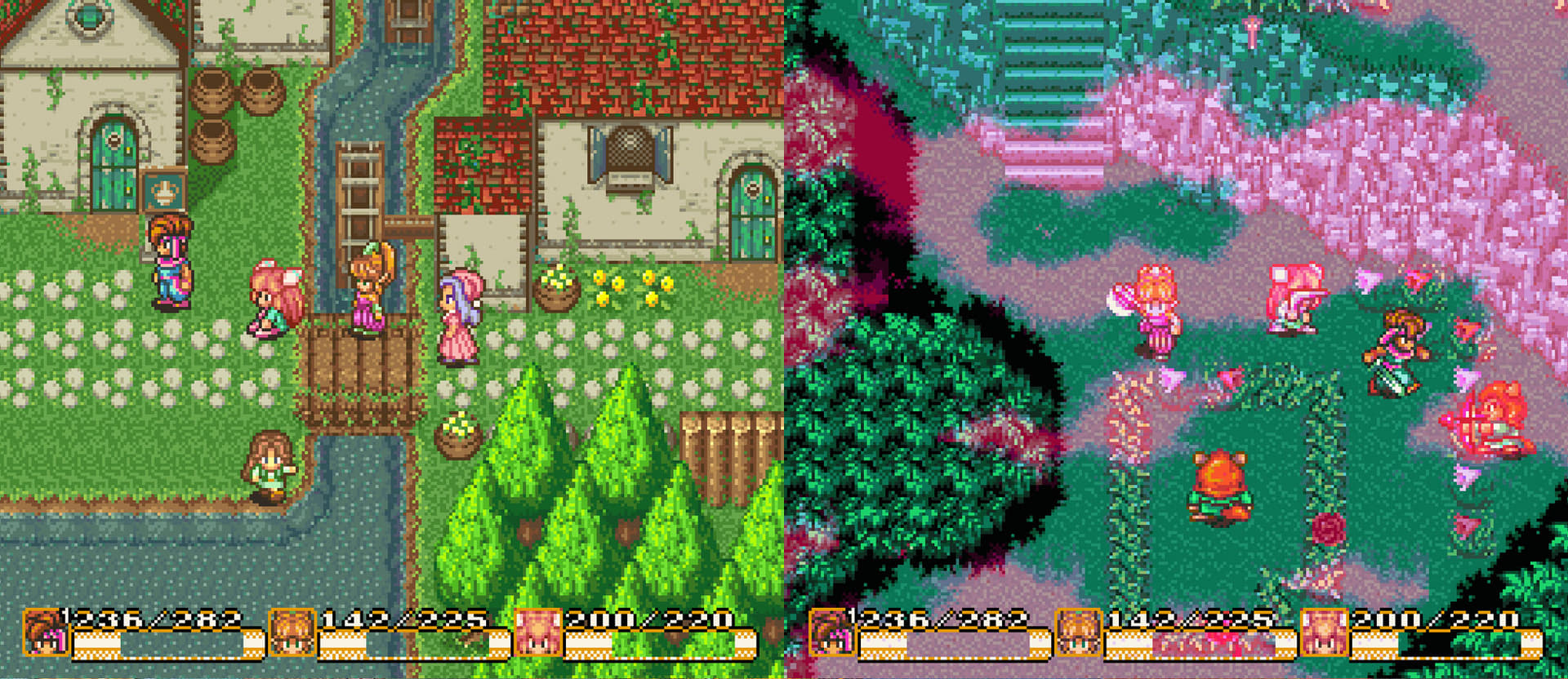
Artistically, the game was impressive, showcasing vibrant, expressive visuals that brought its world to life. It truly set a new standard for what could be achieved on a 16-bit console and is arguably one of the earliest SNES titles to really show what the system was capable of. Secret of Mana is absolutely a prime demonstration of just how much could be accomplished with the hardware when paired with ambitious design and innovative programming.
Years after Secret of Mana's release, the Sony PlayStation would eventually be released as its own system, and Squaresoft would controversially “switch teams” to develop some of the most successful RPGs released worldwide on that platform. One could easily argue that losing the SNES-CD version of Secret of Mana gave Square a taste of what could be done, and they kept chasing that dream to great success.
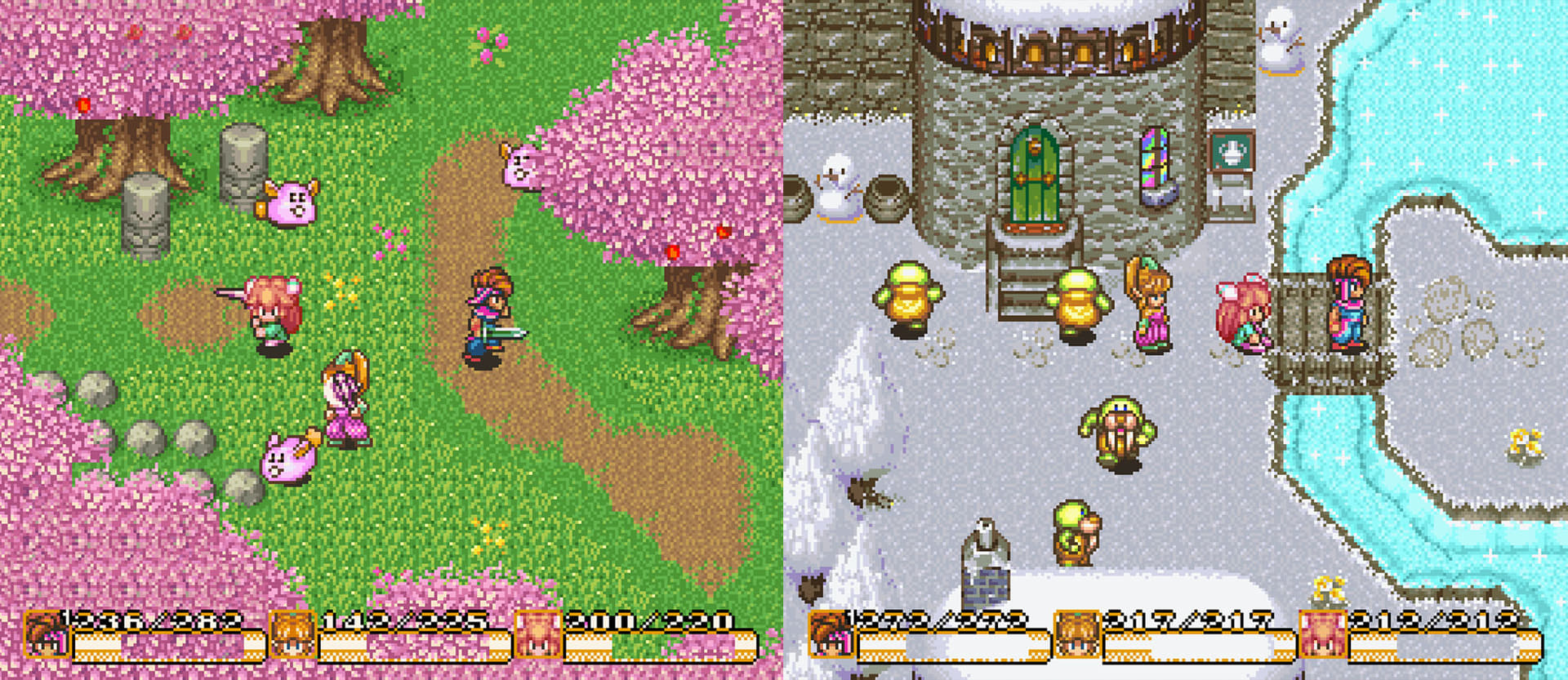
Critically, Secret of Mana signaled that console RPGs could offer more than static, menu-based encounters. It boldly declared, "RPGs are changing" to gamers worldwide, foreshadowing a shift toward dynamic, player-driven experiences that would later be seen in franchises blending story-rich gameplay with real-time action elements.
Edge Magazine reported in 1993 that Secret of Mana was “the most widely covered game of the year in Japan,” even though it was not receiving much attention in the West. Despite this, Secret of Mana outsold everything except Mortal Kombat when it launched, maintaining success throughout 1994. It even won Best Role-Playing Game of 1993 from Electronic Gaming Monthly, with GamePro also awarding it Role-Playing Game of the Year, beating out Lufia and Shadowrun.
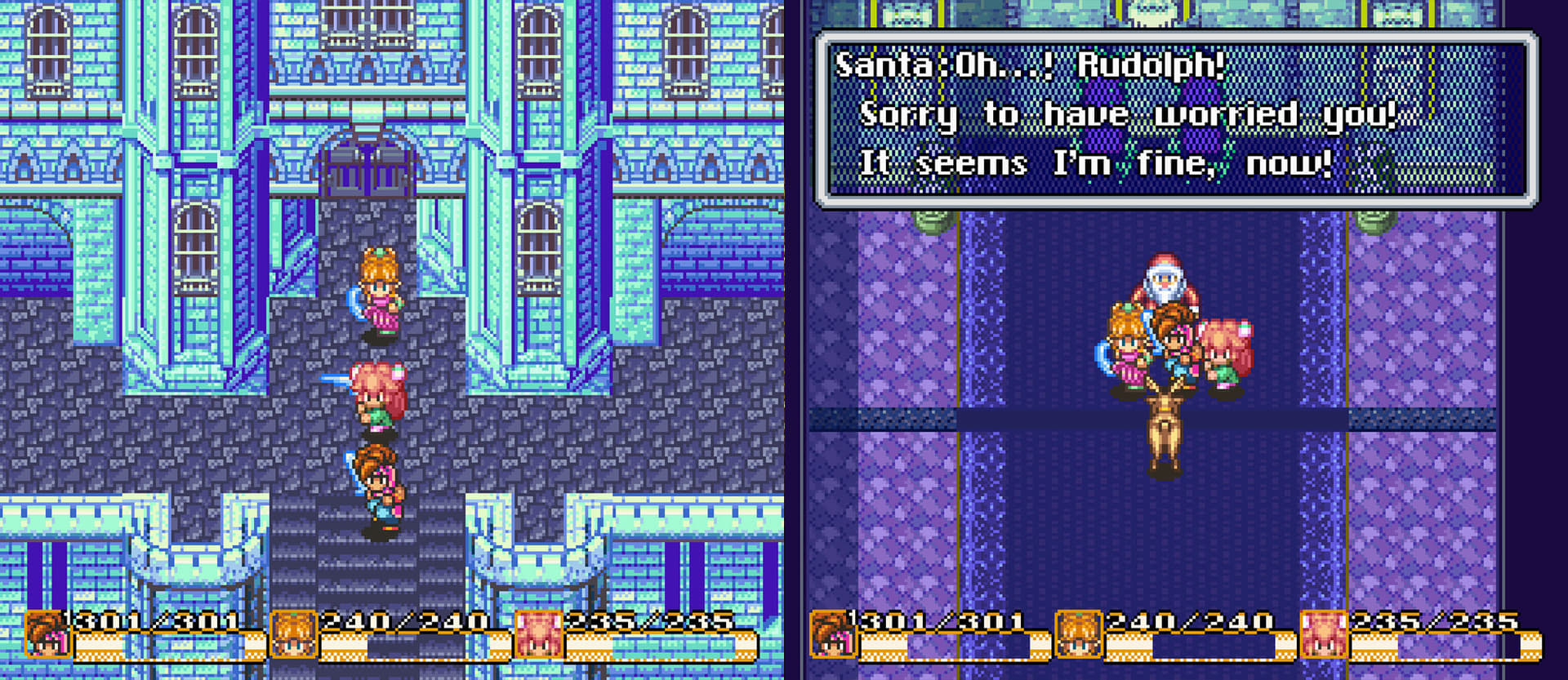
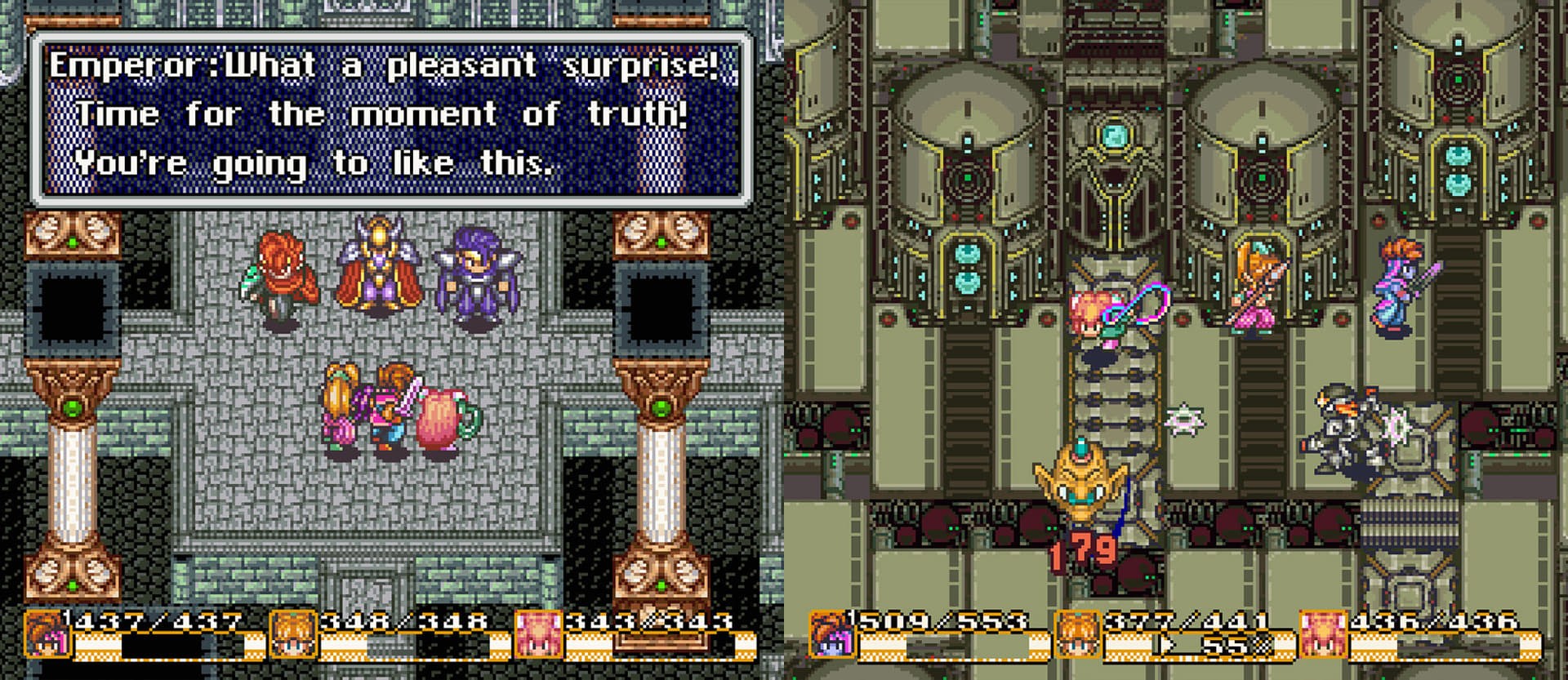
Returning to Secret of Mana today is more than a nostalgic trip, it’s a reminder of a game that dared to break conventions and succeeded. Its ambitious origins, innovative mechanics, lush and colorful world, and unforgettable music have ensured its place as a beloved classic and helped cement Squaresoft’s glory days of the SNES era as the kings of RPGs.
What are you waiting for? Go play it!